Capital Recycling is responsible for an important part of that journey: receiving collected materials and preparing them for specialist recycling processors and manufacturers.
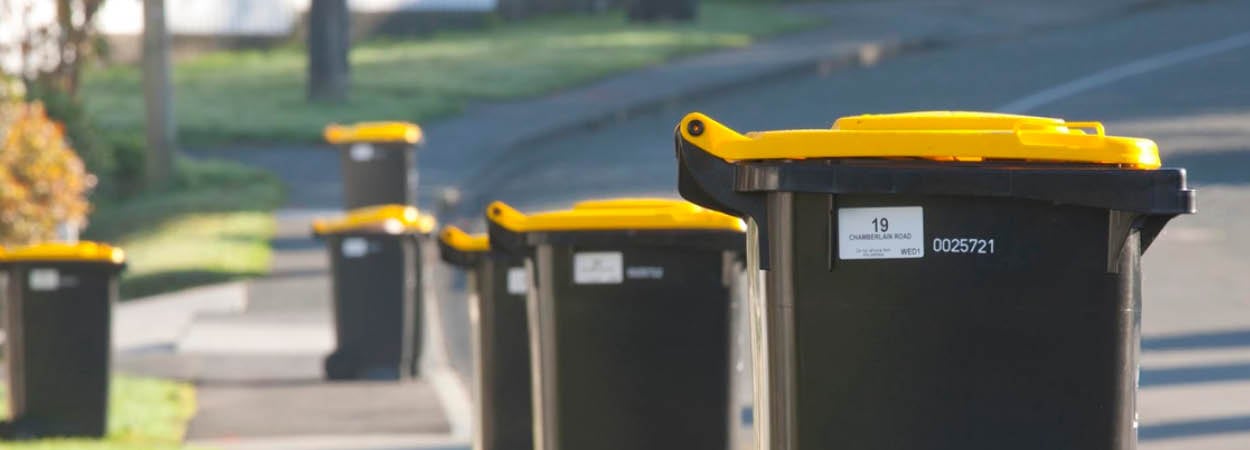

Recyclable materials are collected from homes, businesses and communities across the region.
Recycling begins when materials are collected from homes, businesses, schools and community recycling locations throughout Wellington and the wider region. Depending on the collection system, materials may be collected together in a mixed recycling stream or separated into individual material types such as glass, paper or cardboard.
The quality of the recycling process starts before collection. Correctly sorting materials at home or work helps reduce contamination and improves the chances of recyclable materials being successfully recovered. Want to know what happens after collection?
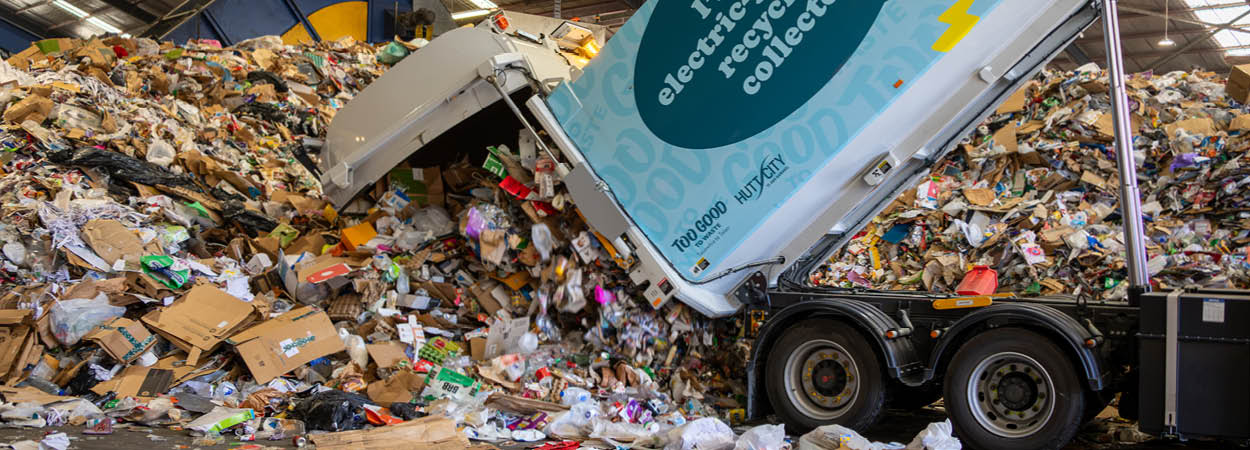

Incoming loads are inspected to identify contamination, safety risks and accepted materials.
Once collected, recycling is transported to Capital Recycling's processing facility in Seaview. Every load is visually inspected before entering the sorting process to identify contamination, prohibited materials or potential safety risks.
Our team checks the condition of incoming materials and looks for items that may damage equipment, create hazards for workers or affect the quality of recyclable materials. Early identification helps protect both people and the recycling process. Interested in where your recycling goes?
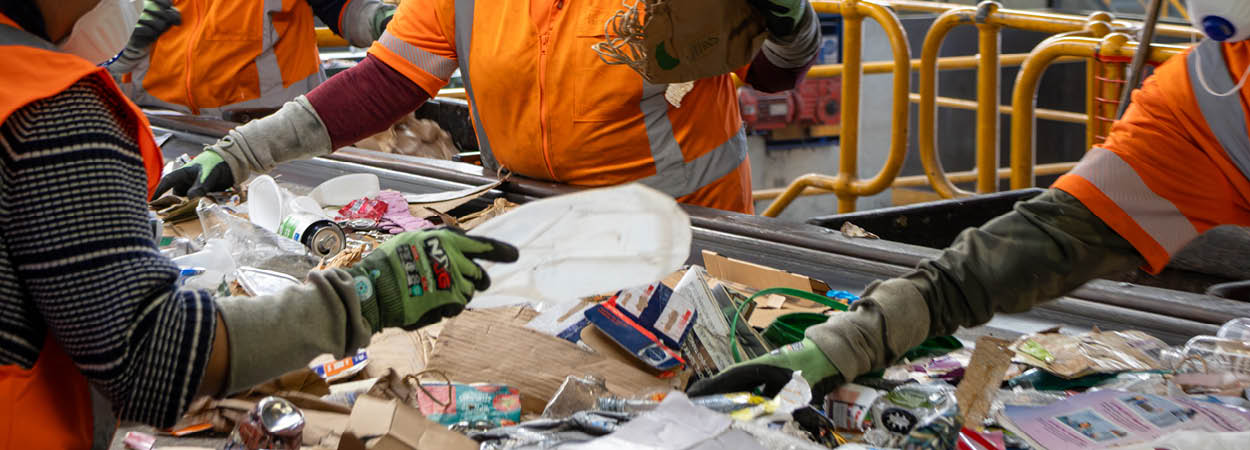

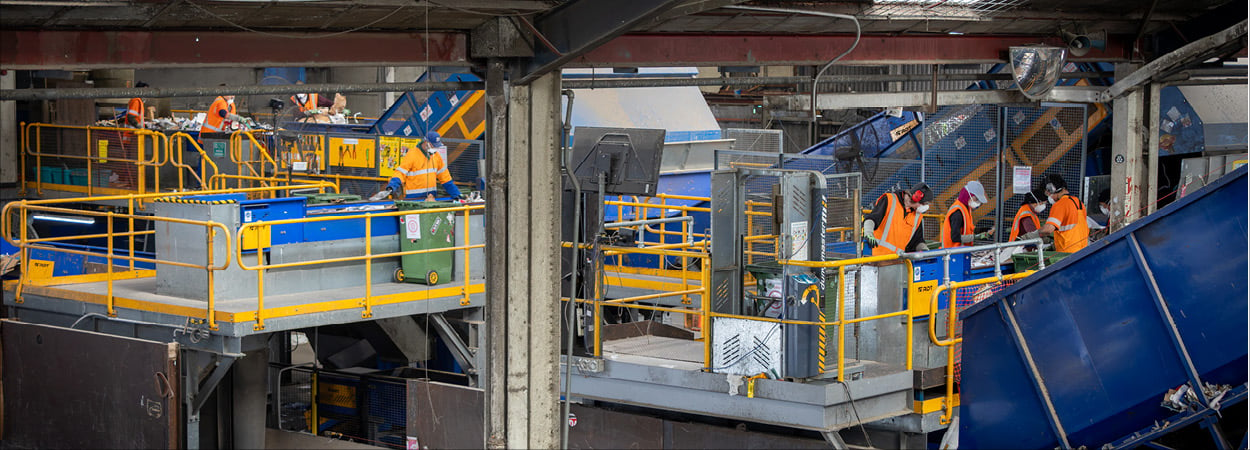
Specialised equipment and trained staff separate materials into individual recycling streams.
After inspection, recyclable materials move through a series of sorting stages designed to separate different material types. Conveyors transport materials through the facility while specialised equipment and trained staff work together to identify and recover recyclable items.
Materials may be separated according to size, shape, weight, magnetic properties and other characteristics. Throughout the process, quality-control teams monitor material streams to help ensure recyclable resources are directed to the correct destination. See the materials we separate and process.
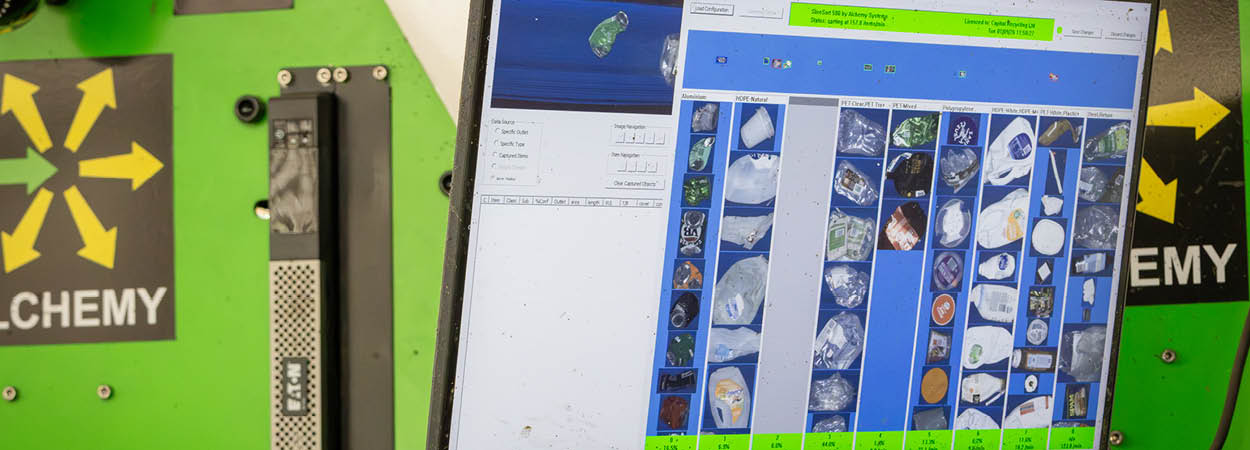

Incorrect and contaminated items are removed to protect people, equipment and materials.
Not everything placed in a recycling bin belongs there. During sorting, non-recyclable and contaminated items are removed wherever practical to protect workers, equipment and the quality of the recovered materials.
Common contaminants include food waste, plastic bags, batteries, textiles, garden waste and general rubbish. Some items can become tangled in machinery, while others may contaminate otherwise recyclable material, reducing its value and usability. Learn which items commonly cause recycling problems.
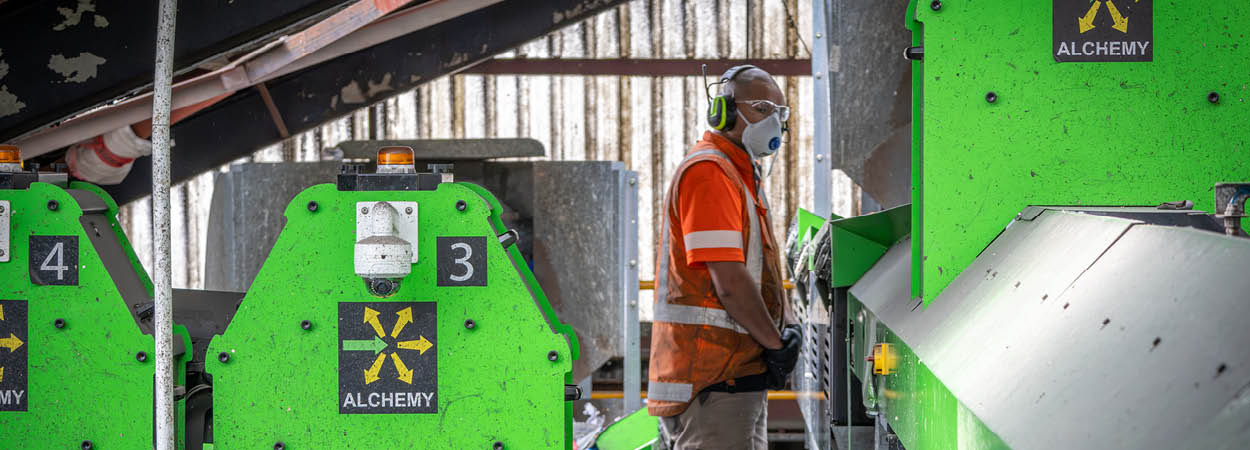

Recovered materials are checked to meet recycling market and manufacturer requirements.
Producing high-quality recycling outputs is an important part of the recovery process. After sorting, material streams are checked to ensure they meet the specifications required by downstream recycling processors and manufacturers.
Quality checks focus on contamination levels, moisture content, material purity and consistency. The cleaner and more accurately sorted a material is, the more likely it can be successfully recycled into new products. Find out how households can improve recycling quality.
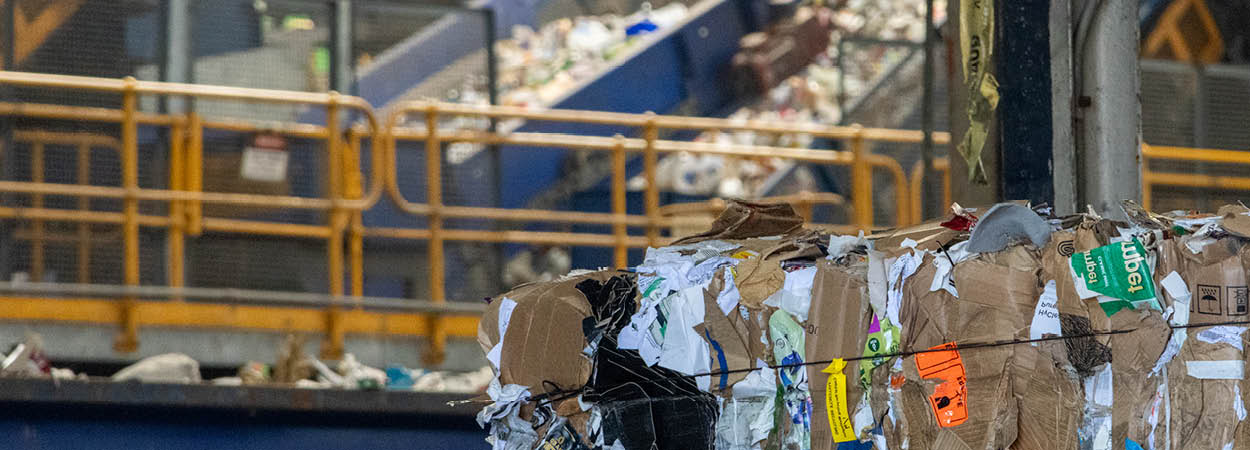

Materials are consolidated, compacted or baled for safe and efficient transport.
Once quality standards have been met, materials are prepared for efficient storage and transport. Different materials require different handling methods depending on their properties and end-market requirements.
Cardboard and paper are typically compacted into dense bales to maximise transport efficiency. Other materials may be consolidated into containers or prepared according to the specifications required by the next stage of the recycling process. Different materials are prepared in different ways before transport.
Cardboard Recycling Paper Recycling Glass Recycling Aluminium Recycling
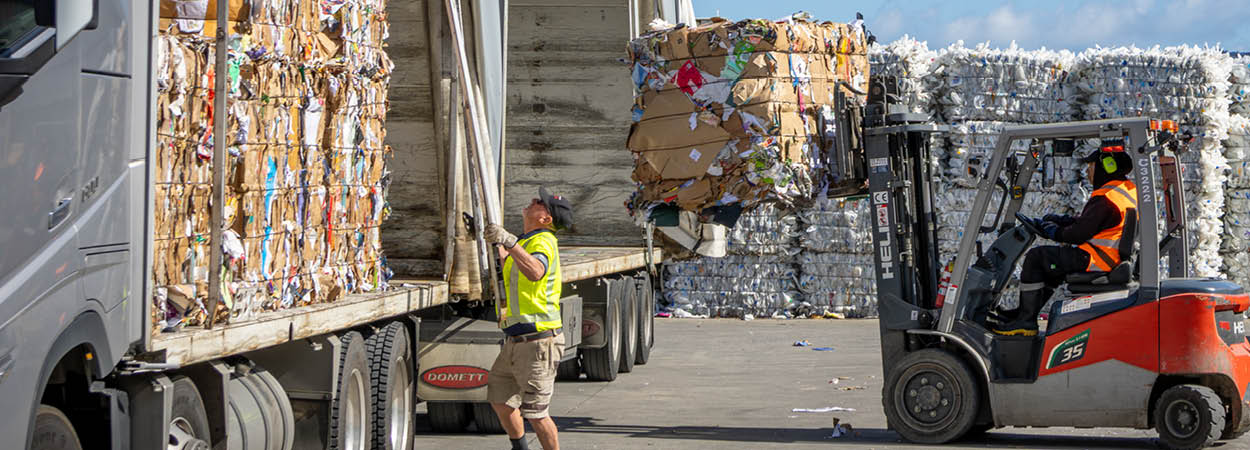

Recovered resources are transferred to processors and manufacturers for further recycling.
Recovered materials are then transported to specialist recycling processors and manufacturers. These organisations use the recovered resources as raw materials for new manufacturing processes.
The destination of each material depends on factors such as quality, available processing capability, customer requirements and market demand. Recycling markets can change over time, but the objective remains the same: keeping valuable materials in productive use for as long as possible.
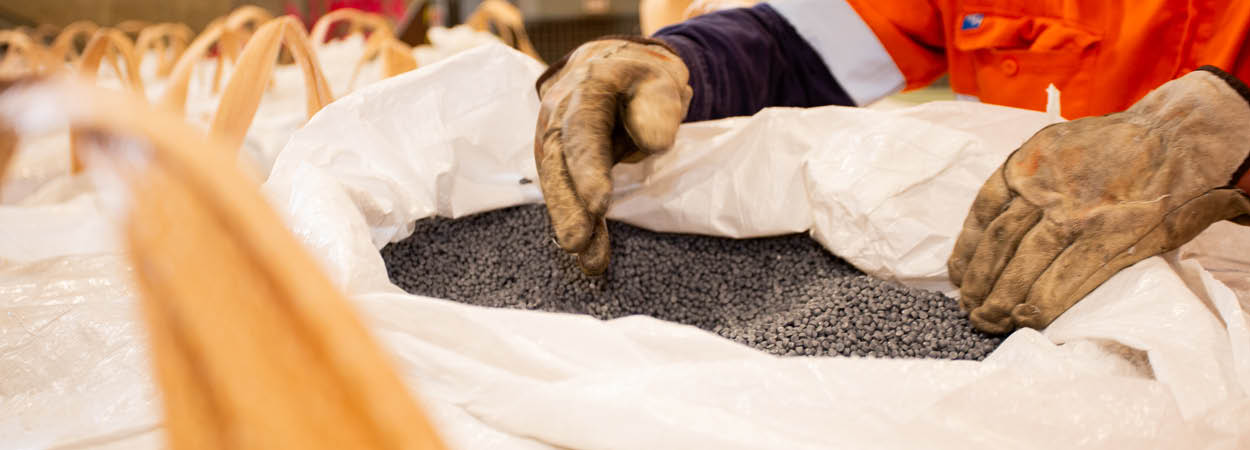

Recycled materials are transformed into valuable raw materials for new products.
The recycling journey continues beyond Capital Recycling. At specialist processing facilities, recovered materials are transformed into raw materials that can be used to manufacture new products.
Paper and cardboard may be turned into new packaging and paper products. Aluminium can be recycled into new metal products, while glass can be processed and used in a range of approved applications. By recovering and reusing these materials, recycling helps reduce the need for virgin resources and supports a more circular economy.
Not every item placed in a recycling bin can be recycled. Material may be rejected because it is:
The material is not accepted through the collection or recycling system.
Contamination prevents the material from meeting recycling quality requirements.
The material creates safety risks for workers, vehicles or equipment.
The material is too damaged to be processed into quality outputs.
The product contains materials that cannot be practically separated for recovery.
The item is too small to be reliably identified and separated.
No suitable processing or manufacturing market currently exists for recovery.
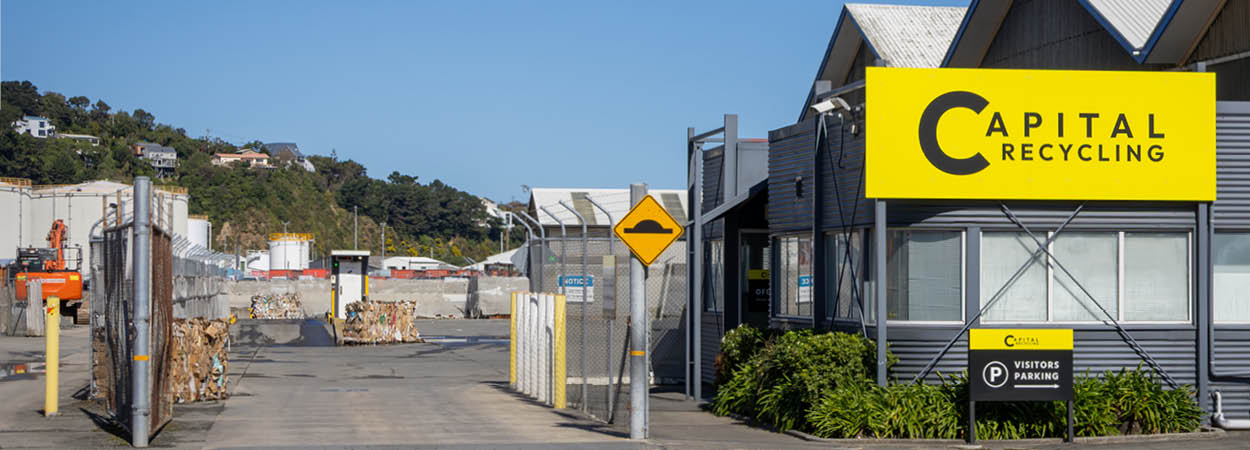
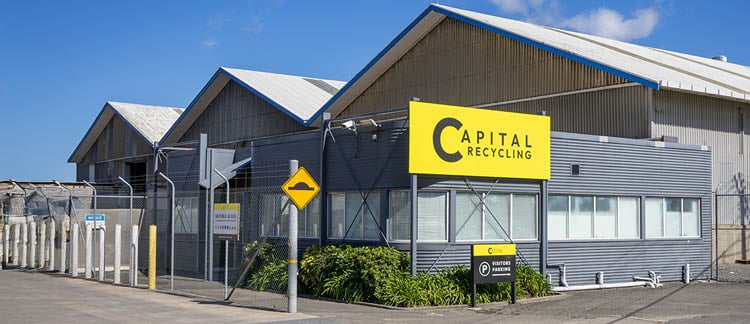

Schools, community groups and industry organisations can request a guided visit to the Capital Recycling facility.