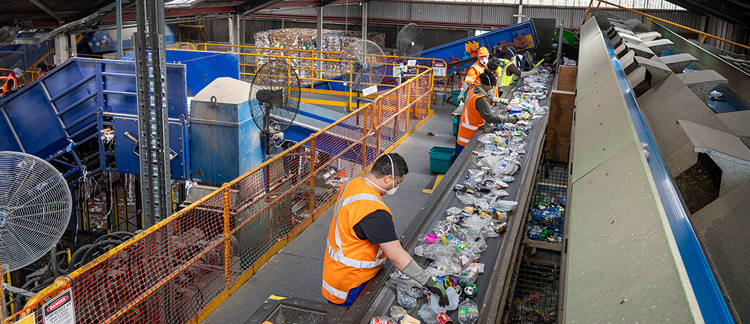
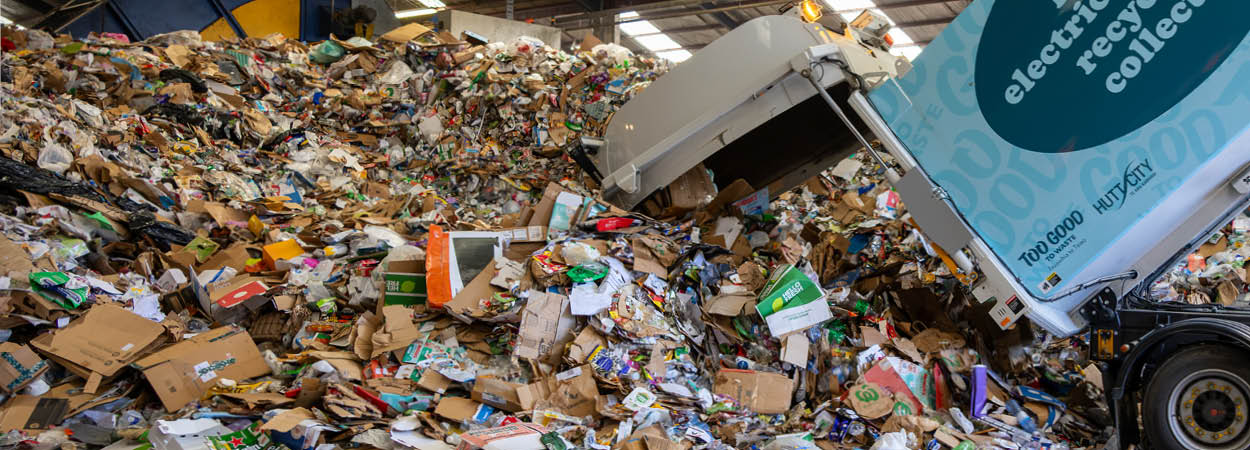
Capital Recycling receives and processes recyclable materials collected through participating kerbside services across Wellington and the wider region. Our role begins when materials arrive at our facility. Here, they are separated into individual recycling streams, checked for contamination and prepared for specialist recycling processors and manufacturers. Depending on the collection service, recyclable materials may arrive:
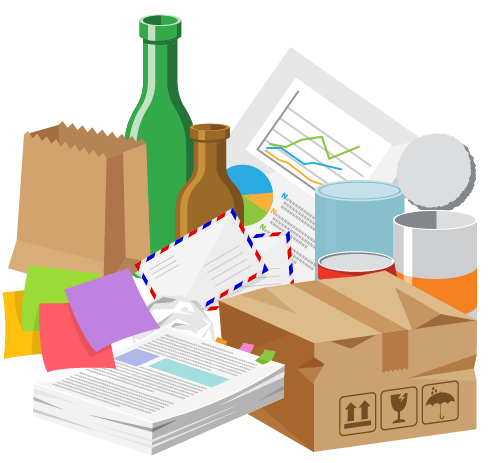
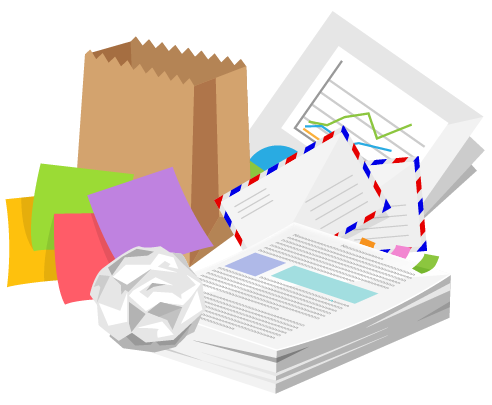
Alternatively, recycling arrives through another agreed collection system The collection system and accepted materials can differ between council areas. Residents should always follow the guidance provided by their local council.
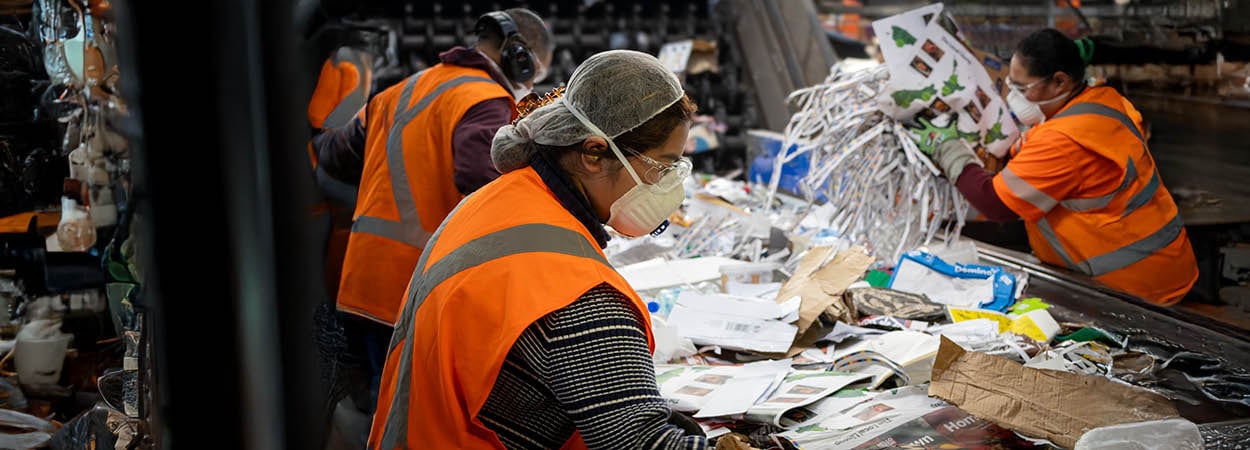
When kerbside recycling arrives at Capital Recycling, it may go through the following stages:

Loads are received and checked for contamination and safety.

Materials are separated into streams using equipment and checks.

Incorrect items are removed to maintain material quality standards.

Materials are prepared and consolidated for safe onward transport.

Materials are transported to specialist recycling markets and manufacturers.
Before placing an item in your recycling:
Check your council's recycling guidelines before placing items in your bin.
Remove leftover food and liquids to help prevent contamination.
Clean, dry paper and cardboard are easier to recycle effectively.
Place recycling loose in the bin unless instructed otherwise.
Keep batteries and electronic items out to reduce fire risks.

Medical, sanitary and hazardous items should never go in recycling.
Items that commonly create problems in kerbside recycling include:












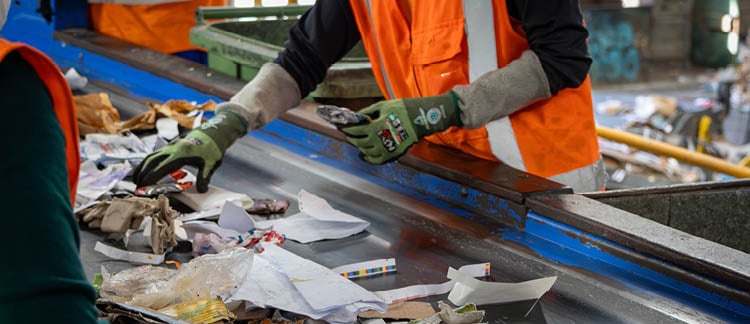

Contamination can create safety risks, damage equipment, reduce material quality and increase processing costs.
For more frequently asked question, please click here.
After collection, recyclable materials are transported to a processing facility where they are sorted into material streams, checked for contamination and prepared for recycling markets.
Different councils may use different collection systems, processors and accepted-material lists. Always follow your local council's guidance.
Generally no. Recyclables should be placed loose in the recycling bin unless your local council specifically advises otherwise.
Batteries can be damaged during collection and sorting, creating serious fire risks for collection crews and recycling facilities.
Missed collections, damaged bins and collection schedules are managed by your council or collection provider.