Capital Recycling processes accepted glass bottles and jars collected through participating recycling services across the Wellington region. Container glass can be recovered and prepared for use in new products when it is kept separate from incompatible glass and other contamination.
Depending on the collection system, glass may arrive separately or as part of another recycling stream.

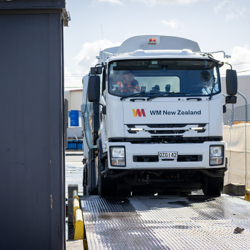

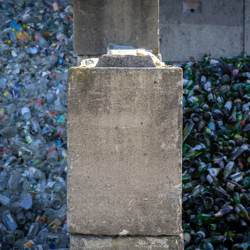
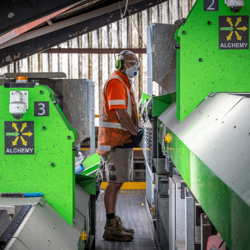

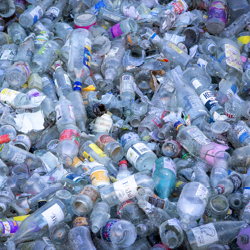

At the next stage, glass may be cleaned, crushed and prepared as material for new glass or other approved uses. The exact pathway depends on collection arrangements, quality and available markets.
Depending on local rules, accepted glass may include:
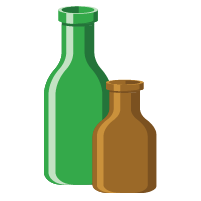
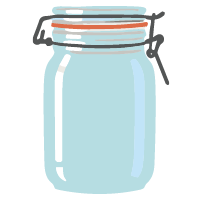
Bottles and jars should be empty before recycling.
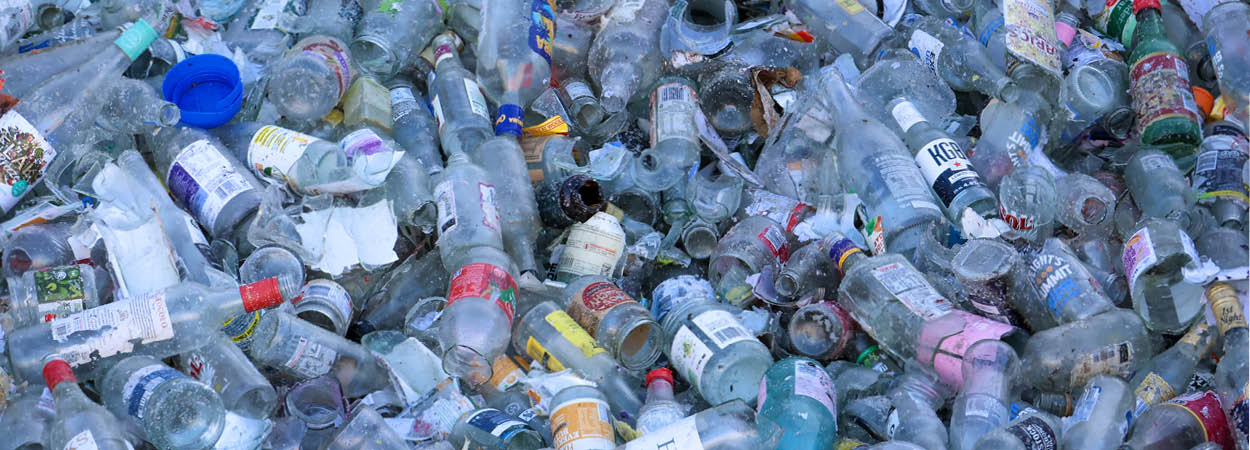

Not every glass-like item is made from the same material. Items that may not belong in bottle-and-jar recycling include:







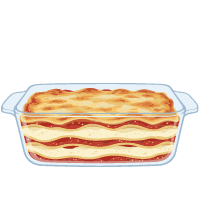

These materials can have different melting points and chemical properties from standard container glass.
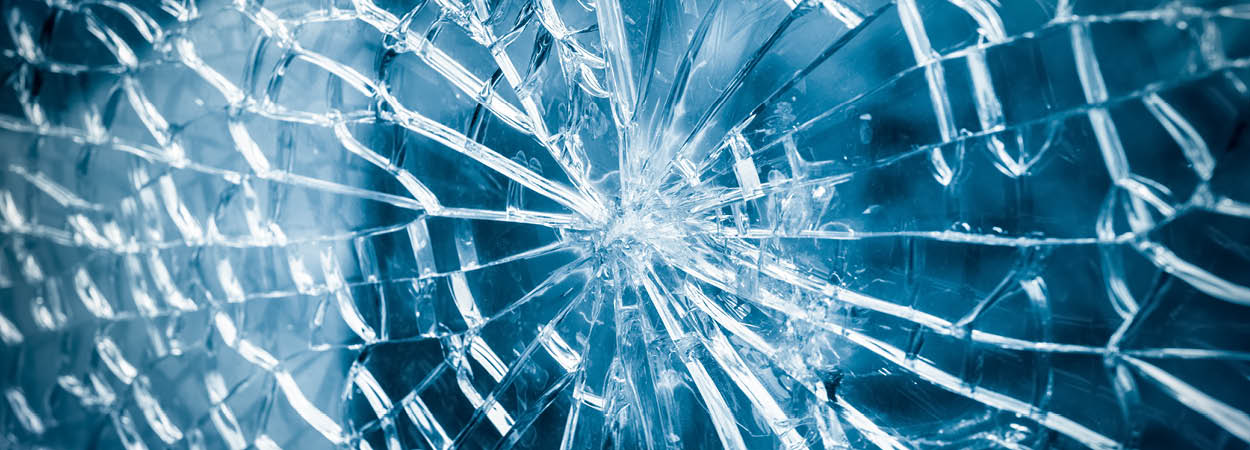

Broken glass can create serious safety hazards for residents, collection crews, drivers, recycling workers and maintenance teams. Follow your council's guidance and avoid placing broken glass in kerbside recycling unless it is specifically accepted and safe-handling instructions are provided.
For more frequently asked question, please click here.
Broken glass can create safety risks. Check your local council's guidance before placing broken glass into recycling.
Drinking glasses have different chemical properties and melting points that can interfere with glass recycling.
Requirements vary by collection system. Follow the guidance provided by your local council.
No. Ceramics and crockery should never be mixed with container glass recycling.
Glass is processed and prepared for specialist recycling facilities where it may be turned into new products.
Whether you manage a hospitality venue, event space or commercial operation, our team can help.