Back to Materials We Recycle

Paper Recycling

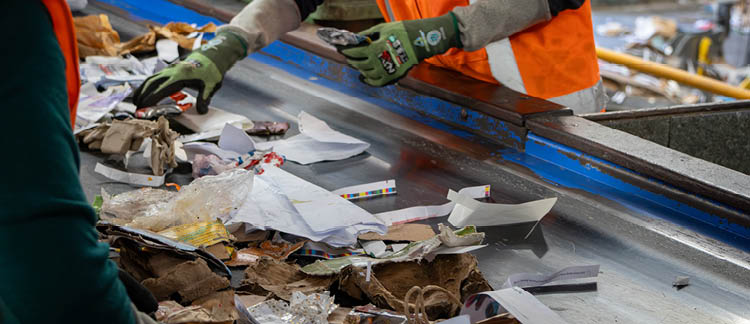
Capital Recycling receives and processes mixed paper collected through participating household, business and community recycling services. Paper can be recycled into new fibre products when it is collected in a suitable condition and separated from contamination.

How Paper Is Processed

After paper arrives at the facility, it may be:

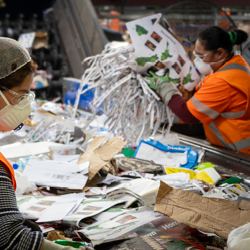
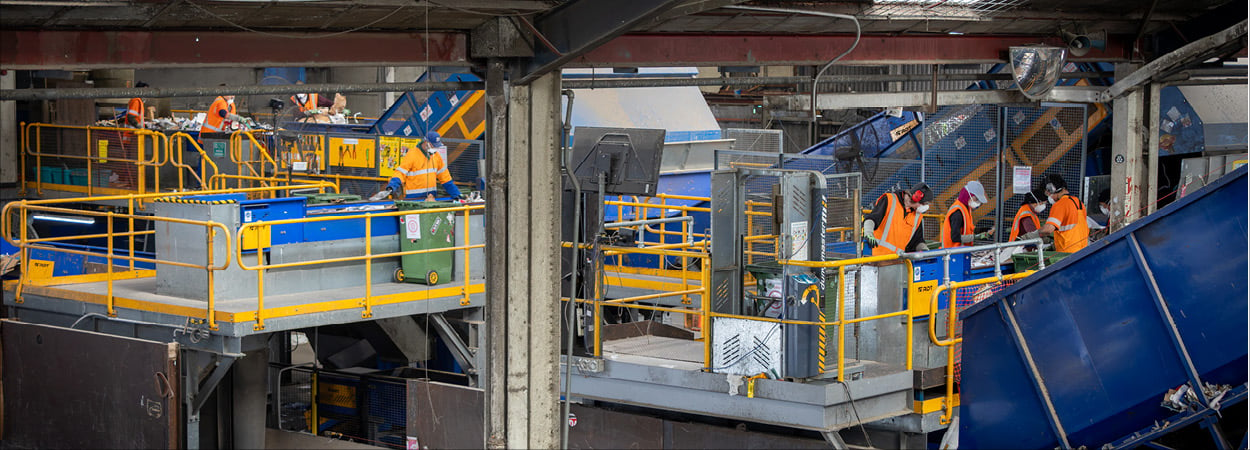
Separated from containers and other materials

Separated from containers and other materials

Separated from containers and other materials

Sorted into appropriate fibre grades

Sorted into appropriate fibre grades

Sorted into appropriate fibre grades

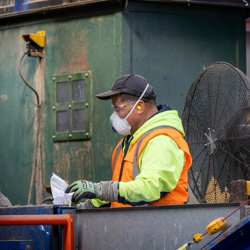
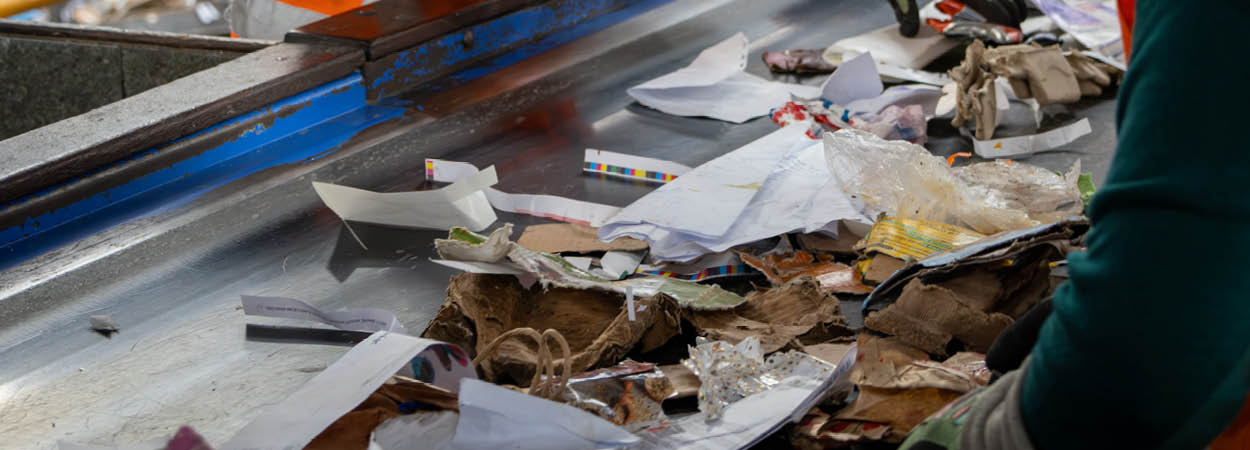
Checked for plastic, food and other contamination

Checked for plastic, food and other contamination

Checked for plastic, food and other contamination

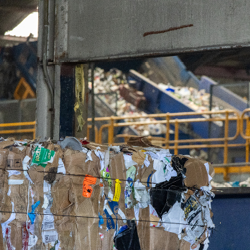
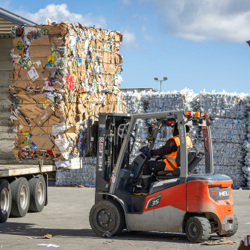
Compacted into bales

Compacted into bales

Compacted into bales

Prepared for transport

Prepared for transport

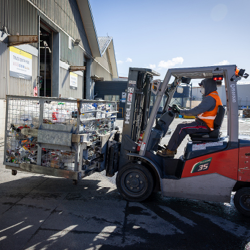
Prepared for transport to a paper recycling manufacturer

At the manufacturing stage, recovered paper is typically broken down into fibre and processed into new paper-based products.

Paper That May Be Accepted

Depending on the collection service, accepted paper may include:
Office paper

Office paper

Newspapers

Newspapers

Magazines

Magazines

Advertising mail

Advertising mail

Paper packaging

Paper packaging

Other clean mixed-paper products

Other clean mixed-paper products

Always follow your council or collection provider’s guidance.

Keeping Paper Recyclable

Paper should generally be:

1

Clean

2

Dry

3

Loose rather than bagged

4

Free from food

5

Free from plastic film

6

Separate from tissues, sanitary products and general rubbish

Hero Paper Mobile Paper
Cross

Items That Can Affect Paper Recycling

Problem materials may include:
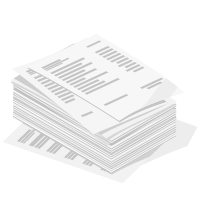
Wet paper

Wet paper

Food-soiled paper

Food-soiled paper

Tissues and paper towels

Tissues and paper towels

Laminated paper

Laminated paper

Plastic-coated paper

Plastic-coated paper

Thermal receipts

Thermal receipts

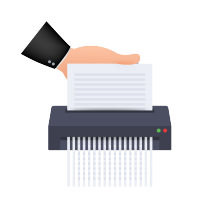
Shredded paper where it is not accepted

Shredded paper where it is not accepted

Paper mixed with confidential-document bags

Paper mixed with confidential-document bags

Disposable cups with plastic linings

Disposable cups with plastic linings

Some of these materials may be accepted through specialised services, but they should not automatically be placed in standard mixed-paper recycling.

Hero Hero
Recycling - Colour

Why Paper Size Matters

Very small pieces of paper can be difficult to separate during automated processing. Where possible, follow local guidance for shredded paper and very small paper items rather than assuming they belong in kerbside recycling.

Paper Recycling FAQs

For more frequently asked question, please click here. 

  • Can shredded paper be recycled?

    Acceptance varies by location and collection service. Check local guidance before placing shredded paper in your recycling bin.

  • Can magazines and newspapers be recycled?

    Yes, provided they are clean and dry.

  • Why can't wet paper be recycled?

    Moisture reduces fibre quality and may contaminate other paper products during processing.

  • Are tissues and paper towels recyclable?

    Generally no. Used tissues and paper towels should be placed in general waste.

  • What types of paper do offices commonly recycle?

    Office paper, printed documents, newsletters, newspapers and many paper packaging products can often be recycled.
Hero - Facility Mobile10

Need Help With Paper Recycling?

Whether you're managing office paper, printed materials or larger commercial volumes, our team can help. When contacting us, please include the type of paper, approximate volume, storage method and whether the material contains any contaminants or mixed materials.